

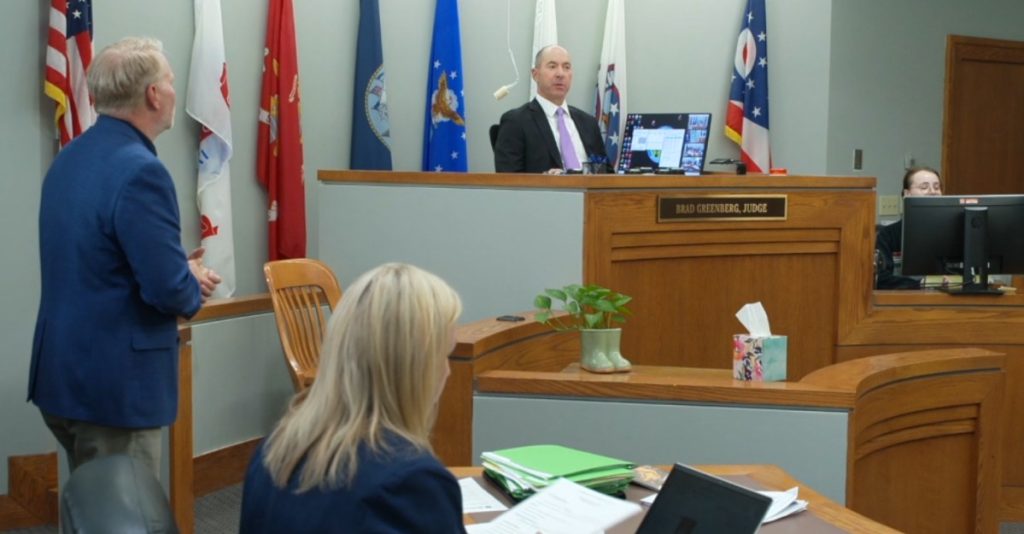
Many soldiers return home with burdens that are hard to recognize. Long-term repercussions of military duty can include mental health, family life and everyday routine. For some those challenges can lead to legal issues. In these situations, established legal processes do not always address the real issue. That’s where the Kansas City Veterans Court comes in. “Veterans Court is a part of the larger Kansas City Specialty Courts system and it is all about treatment, accountability and long-term success. Our aim is simple: to help veterans move beyond obstacles with fewer encounters with the criminal justice system in the future. Organizations like Beyond the Bench KC foster this purpose by educating the public about the positive change that Specialty Courts create. Their work highlights an important truth: enduring justice frequently begins by examining the motives behind criminal conduct.
The Rationale for Veterans Court
Veterans encounter distinct obstacles when they leave military duty. Some have post-traumatic stress, depression, anxiety, substance usage, or difficulty transitioning to civilian life. That doesn’t make criminal activity okay. They also help explain why some veterans find themselves in court. Traditionally, sentencing means punishment. Veterans Court takes a different approach. It marries accountability with therapy and support. The end result is a program that helps people reconstruct their lives, while still fulfilling court requirements.
What Sets Veterans Court Apart?
Veterans Court is an organized program of rehabilitation. Participants are required to observe tight guidelines and meet regularly. This is not a short route through the judicial system. In many aspects, individuals are more closely monitored than they would be under ordinary probation. The usual court team consists of:
- Judicial Prosecutor
- Defense lawyers
- Treatment providers
- Probation officers
- Seasoned coaches
We all have a responsibility to keep the participants on track. “Think about it as a web of coordinated support.” We all share the same aim – helping veterans achieve.
The structural strength
Structure is important. Many veterans have spent years in schedule-driven, goal-oriented, and accountability-focused workplaces. Veterans Court is the same thing. Participants will be asked to:
- Go to counseling sessions
- Substance abuse treatment completed
- Undergo drug testing
- Meet your coaches
- Regularly attend court
- Follow treatment regimens
Such requirements provide routine and stability. That framework can seem challenging at first. Many participants say that they feel it helps them restore control of their lives over time. And often a regular habit is the foundation for sustained success.
Veteran Mentors Are Important
One of the best things about Veterans Court is the mentor program. Participants are matched with fellow veterans who understand military culture and the challenges of service. That relationship counts. Sometimes it is simpler to listen to someone who has followed a similar route. Mentors can provide encouragement, practical advice and accountability. A veteran having tough days may feel alone. A mentor helps them remember they are not alone. That tiny connection can make a huge difference.
Substance Use and Mental Health
Many Veterans Court participants have substance use or mental health issues. Treatment typically forms a significant aspect of the programme. Participants may obtain assistance with:
- Post-traumatic stress disorder (PTSD)
- Alcohol dependence
- Drug dependence
- Depression.
- Anxiety disorders
The thing is. Treatment is not merely about stopping future arrests. It’s about enhancing quality of life. When veterans receive the right care, relationships frequently get better. Jobs are easier to keep. Daily stress is easier to deal with. Legal benefits are significant but often the human rewards are more vital.
Responsibility Still Matters
Some people believe rehabilitation is less about consequences. That’s not how Veterans Court operates. Participants must adhere to all program requirements. If you miss an appointment, test positive for drugs or break any rules, you could be sanctioned. The court watches progress closely. It’s a balance that’s important. Support without accountability seldom works. Accountability without assistance frequently isn’t enough. Veterans Court does both. That blend helps people build healthier behaviors and better decision-making skills.
Fewer Offenders Return to Prison
Veterans Court has a big mission to cut down on repeat offenders. When the core cause of criminal conduct is not addressed, issues tend to persist. A defendant might leave court and come back months later with comparable charges. The Veterans Court is an attempt to interrupt that cycle. Participants learn techniques to prevent future legal difficulties by working through mental health issues, addiction problems and life problems. The goal is not just to survive today’s case. The goal is to build a better future.
Benefits to Family and Community
The benefits are not limited to the individual. When a family member has legal or personal problems, the family is generally affected. Stress can be contagious within families. A successful rehabilitation can restore trust and build family relationships. The communities gain as well. Better treatment and assistance for veterans make our communities safer. Employment rates go up. Less is spent on dealing with repeat criminal behavior. When people get support that works, everyone wins.
A Roadmap to Long-Term Success
Recovery is rarely quick. There are failures. Some days are tough. Progress is typically made one step at a time. Veterans Court knows this fact. The curriculum provides a framework for stability, accountability and personal growth. Participants acquire skills that help them cope with obstacles even after the program is over. You know what? That long-term approach may be the program’s greatest strength. Success is not simply about having needs met but creating real change that sticks.
Support the Mission of Veterans Court
Public awareness is critical to the success of Specialty Court. Beyond the Bench KC aims to raise awareness of initiatives including Veterans Court in Kansas City, Missouri. Their study demonstrates how rehabilitation, treatment and accountability can work together to achieve superior outcomes. Veterans gave to their community. Legal issues can be a catalyst for healing, taking responsibility and finding a revitalized purpose through structured rehabilitation. Veterans Court offers a second chance rooted in the concept of hard work, support and accountability.
FAQ (Frequently Asked Questions)
1. What is Veterans Court Kansas City?
Kansas City Veterans Court is a Specialty Court program for qualifying veterans charged with felony matters.
It’s a combination of treatment, monitoring, mentorship and accountability. It supports individuals as they work on underlying difficulties and strive for good improvements in their lives.
2. Who is eligible for the Veterans’ Court?
Eligibility requirements vary depending on military service history and type of criminal charge.
Each case is reviewed separately by court personnel. While not all defendants qualify, qualifying veterans might be considered for enrollment.
3. Is Veterans Court “easier” than a standard court?
No. Veterans Court sometimes requires more supervision and engagement than conventional probation.
Participants are responsible for their conduct and are expected to attend treatment sessions, court appearances, meetings, and other program obligations.
4. How do veteran mentors assist participants?
The program provides support, guidance and encouragement from veteran mentors.
Mentors have military experience so they typically understand the issues participants are going through and can give practical advice from common experiences.
5. What are the major advantages of structured rehabilitation?
The structured therapy provides consistency, accountability and healthy behaviors.
Participants receive access to treatment, support systems and resources that might reduce future legal problems while enhancing personal and family well-being.